Source PCD Turning Tools for Aluminum, Steel, and Mold Applications
Compare 30 PCD turning tool options from China, featuring diamond and steel with PCD materials. These tools support high-precision external turning for aluminum and high-hardness materials, offering customization and long working life for lathe operations; compare the available evidence and request quotations based on your requirements.
Key considerations
Products List






Comprehensive Sourcing Guide
PCD Turning Tool Sourcing Guide
Product Scope and Observed Listing Signals
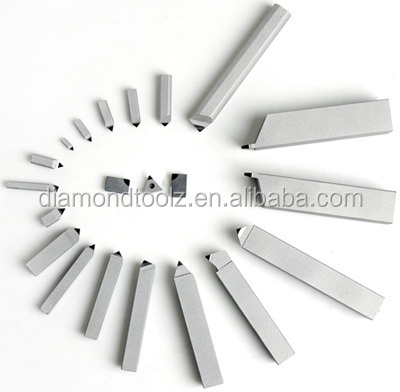
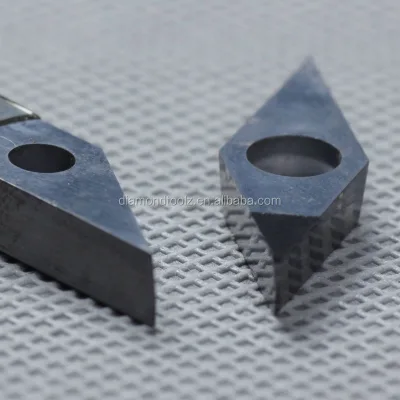
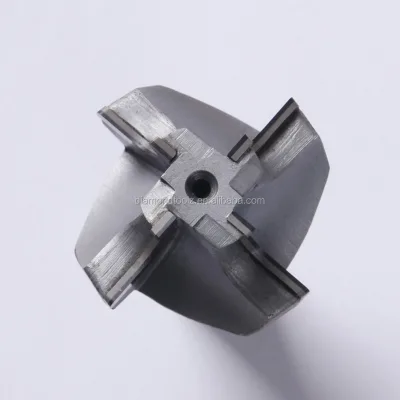
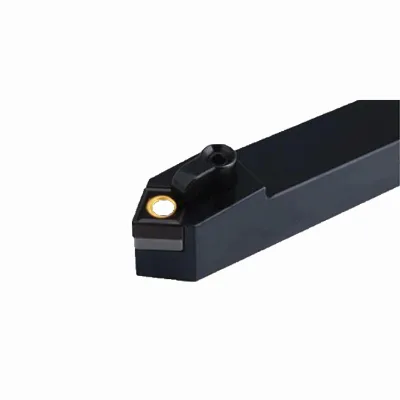
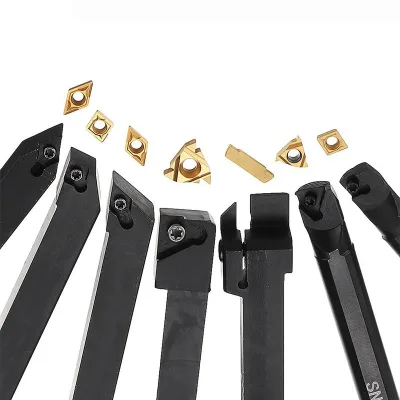
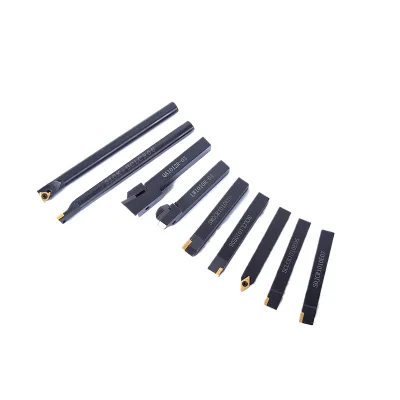
The market for PCD turning tools is characterized by a wide variance in product configurations, ranging from standard inserts to complex, non-standard assemblies designed for specific machining centers. Buyers will observe listings that explicitly identify the product type as artificial polycrystalline diamond, often categorized under cutting tools or lathe turning tools. These items are frequently described with specific structural attributes, such as welding PCD inserts or tools that come with an integrated toolholder. The presence of customization options is a dominant signal, with many suppliers offering OEM and ODM services to tailor the tool geometry to unique production requirements. This flexibility allows manufacturers to address niche applications where off-the-shelf solutions are insufficient, particularly in high-hardness material processing and mold manufacturing.
Observed listing data indicates a broad price range and flexible minimum order quantities, suggesting a mature supply chain with varying tiers of service. Prices can vary significantly, reflecting differences in diamond quality, tool complexity, and coating treatments, although many listings specify uncoated or without coating options. The minimum order quantity often starts low, enabling smaller trial orders, while larger volumes may unlock different commercial terms. Listings frequently highlight advantages such as longer working life and perfect cutting effects, which are critical for maintaining productivity in continuous manufacturing environments. Buyers should note that while some products are presented as standard, many are explicitly labeled as non-standard or custom models, requiring careful verification of dimensional specifications before placement.
Technical Specifications to Verify
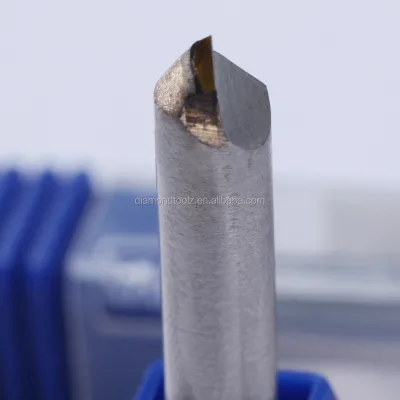
Verifying the material composition and structural integrity of the PCD tool is the first critical step in technical evaluation. The core cutting element is typically made of diamond, often in the form of artificial polycrystalline diamond, which is welded onto a substrate that may be steel or carbide. Buyers must confirm whether the tool is designed for external turning or internal cooling applications, as this dictates the internal geometry and coolant channel requirements. The hardness of the tool itself is a key performance indicator, with some listings specifying hardness values around HRC42 or HRC50 for the substrate, ensuring it can withstand the high stresses of machining. It is essential to distinguish between the hardness of the cutting edge and the body of the tool, as both contribute to overall durability and resistance to chipping during operation.
Dimensional accuracy and precision are paramount for ensuring compatibility with existing CNC lathe setups. Specifications often include detailed size codes, such as 2525160*R2, which define the shank dimensions, length, and nose radius. Buyers should verify if the tool is intended for cylindrical turning processes and confirm the precision grade, as high precision is necessary for achieving tight tolerances in the final workpiece. The application is frequently cited as aluminum machining, which benefits from the sharp, wear-resistant nature of PCD edges. However, the tool may also be suitable for other high-hardness materials, so the specific workpiece material must be matched to the tool’s geometry and diamond grade to prevent premature wear or catastrophic failure during the cutting process.
Compliance and Safety Documentation
Ensuring that the PCD turning tools meet relevant safety and quality standards is essential for integrating them into a compliant manufacturing workflow. Listings often reference certifications such as CE, GS, and ISO 9001, which indicate that the supplier adheres to specific quality management and safety protocols. Buyers should request valid certification documents to verify that the manufacturing process meets international standards for quality control. While these certifications provide a baseline of assurance, they do not guarantee that every individual tool batch will perform identically. Therefore, it is crucial to treat these certifications as indicators of the supplier’s systemic capability rather than a direct performance guarantee for the specific tools being procured.
Safety documentation should also cover the handling and disposal of PCD tools, given the composite nature of the materials involved. The welding process used to attach the diamond segment to the substrate must be robust to prevent delamination during high-speed rotation. Buyers should inquire about the supplier’s quality control procedures for weld integrity, as a failed weld can lead to tool breakage and potential safety hazards. Additionally, packaging standards, such as plastic boxes or cartons, should be reviewed to ensure that the tools are protected against damage during transit. Proper packaging is not just a logistical concern but a safety measure that prevents accidental injury from sharp edges and ensures the tool arrives in a condition ready for immediate use.
Cost Drivers and Commercial Terms
The cost of PCD turning tools is influenced by several factors, including the type of diamond used, the complexity of the tool geometry, and the level of customization required. Non-standard or custom models typically command higher prices due to the additional engineering and manufacturing steps involved. The presence or absence of coatings also affects the price, with uncoated tools often being more cost-effective for specific applications where coating adhesion is not critical. Buyers should analyze the total cost of ownership, considering that tools with longer working lives may reduce downtime and replacement frequency, ultimately lowering the cost per part produced. The observed price range reflects these variables, with simpler tools at the lower end and complex, high-precision assemblies at the higher end.
Commercial terms, including minimum order quantities and payment conditions, vary widely among suppliers. Some suppliers offer low MOQs, such as 10 pieces, which is beneficial for testing new tools or managing inventory tightly. Others may require higher volumes to justify the setup costs for custom tooling. Buyers should negotiate terms that align with their production schedule and cash flow needs. It is also important to clarify the packaging options, as standard packaging may be sufficient for some, while others may require specialized protection for high-value custom tools. Understanding these commercial nuances helps in building a sustainable supply chain that balances cost efficiency with operational flexibility.
Supplier Qualification and Quality Control
Evaluating supplier qualification requires a deep dive into their manufacturing capabilities and quality assurance processes. Suppliers who offer customization services should demonstrate a clear workflow for handling non-standard requests, from design approval to final inspection. Buyers should verify the supplier’s experience in producing PCD tools for similar applications, such as aluminum machining or mold processing. The ability to provide OEM and ODM services indicates a level of technical sophistication and flexibility that is valuable for long-term partnerships. It is also important to assess the supplier’s commitment to consistency, as variations in diamond quality or welding techniques can significantly impact tool performance.
Quality control measures should be transparent and rigorous. Buyers should request information on the testing procedures used to validate tool performance, including checks for weld strength, dimensional accuracy, and surface finish. The use of precision machining processes suggests a high level of control over the final product specifications. Suppliers who provide detailed product models and standards, such as non-standard PCD specifications, are likely to have robust documentation practices. Buyers should also consider the supplier’s responsiveness to feedback and their ability to resolve quality issues promptly. A supplier with a strong quality control system will provide consistent performance and support, reducing the risk of production disruptions.
Long-Term Procurement Checks
Establishing long-term procurement checks ensures that the PCD turning tools continue to meet performance expectations as production demands evolve. Regular audits of tool performance, including monitoring wear rates and surface finish quality, are essential for identifying any degradation in tool quality. Buyers should maintain a log of tool performance data to compare batches over time and detect any trends that may indicate issues with the supplier’s manufacturing process. This data-driven approach allows for proactive adjustments to procurement strategies, such as increasing inspection frequency or negotiating stricter quality clauses. Consistent performance is key to maintaining high productivity and minimizing unplanned downtime in the machining process.
Building a resilient supply chain involves diversifying suppliers and maintaining open communication channels. While relying on a single supplier may offer convenience, it increases risk if that supplier faces production or quality issues. Buyers should periodically review supplier performance against agreed-upon metrics, including delivery times, quality consistency, and responsiveness. Engaging in continuous improvement discussions with suppliers can lead to better tool designs and more efficient procurement processes. Additionally, staying informed about advancements in PCD technology and machining techniques can help buyers make informed decisions about tool upgrades or replacements. A proactive approach to supplier management ensures that the procurement function remains aligned with the company’s long-term manufacturing goals.
FAQs
What material is used for the cutting blade?
The cutting blade is made of diamond, specifically artificial polycrystalline diamond. This material ensures high hardness and durability for machining aluminum and other hard materials. The tool features a welding PCD insert structure designed for precision turning applications.
Can I request custom specifications for this tool?
Yes, customization is available for non-standard models. Suppliers offer services to provide customized dimensions and specifications to meet specific mold process needs. You can request unique sizes or tool holder configurations directly from the manufacturer.
What is the minimum order quantity for purchase?
The minimum order quantity starts at 10 pieces for standard items. Some suppliers may accept orders as low as one piece depending on the specific product configuration. Bulk orders often benefit from standard packaging options like plastic boxes or cartons.
Which certifications do these tools typically hold?
These tools often carry CE, GS, and ISO 9001 certifications. Customized certification options are also available to meet specific regional or industry requirements. Buyers should verify the specific certification status with the supplier before placing an order.
How is the tool coated or finished?
The tool is typically uncoated and finished through precision machining processes. The surface treatment involves no additional coating layers, relying on the inherent properties of the steel with PCD material. This ensures optimal cutting performance for external turning operations.
What is the expected working life of the tool?
The tool offers a longer working life due to its high hardness and precision design. It is engineered to handle workpiece hardness up to HRC50 effectively. This durability makes it suitable for continuous lathe turning applications in industrial settings.